Data control
Keep inference inside the network.
Process selected inputs locally, close to the systems your application serves. Configure models, retrieval and dependencies locally when the project requires an offline workflow.
 TrustedToken Ultra
For ISVs, system integrators and developers
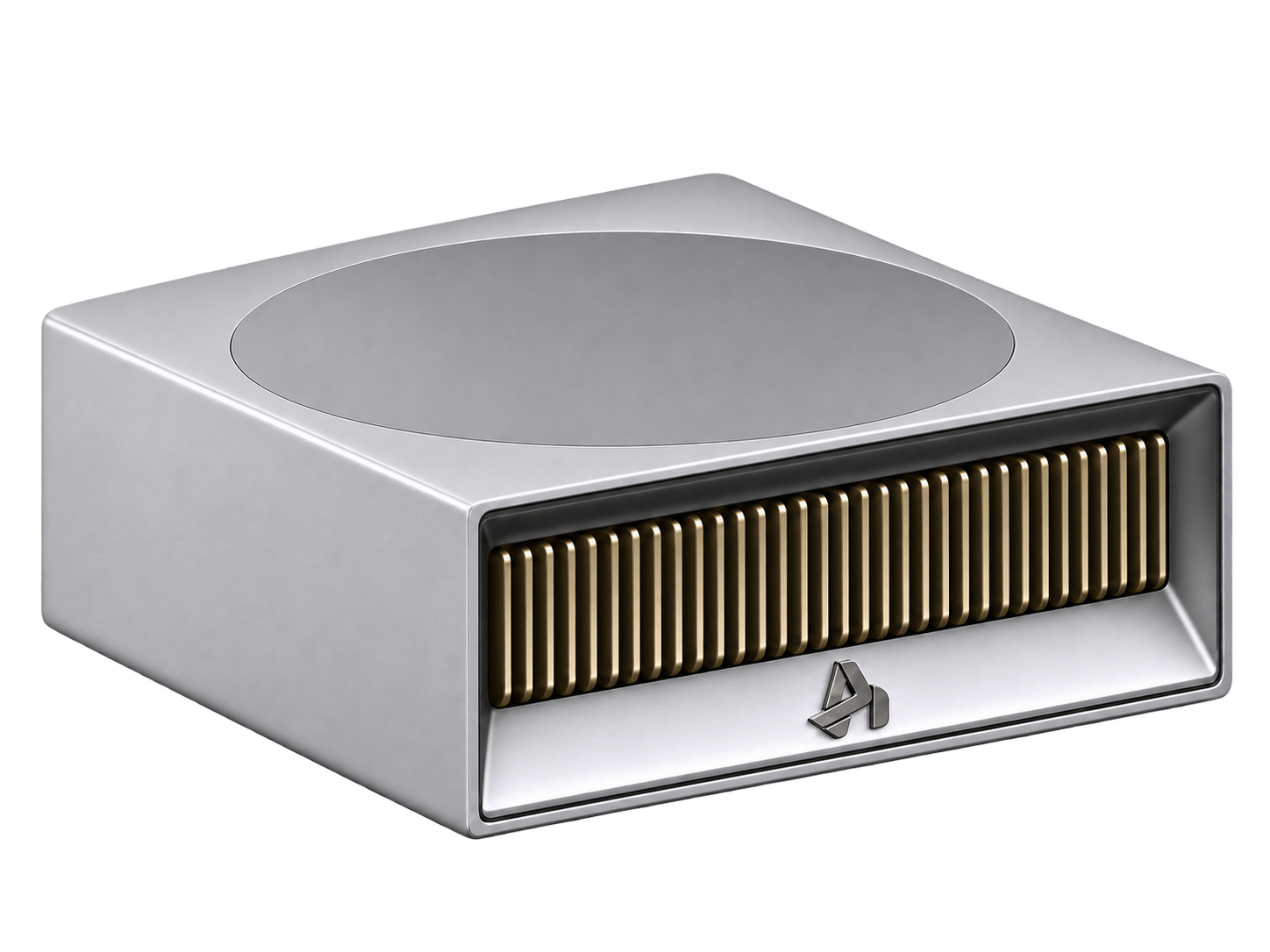
Empato TrustedToken Ultra brings supported AI models to your application, on your network or your customer's. Combine 64GB unified memory, local AI compute and an OpenAI-compatible API to build local AI into the software you deliver.
Build for real deployment requirements
Give customers a local deployment option when data policies, connectivity or recurring API usage shape the project. Put supported inference inside their environment and keep your application at the center.
Process selected inputs locally, close to the systems your application serves. Configure models, retrieval and dependencies locally when the project requires an offline workflow.
Run supported tasks locally instead of sending every request to a cloud model. Compare hardware, power and operating costs with API spend at the quality and usage your customers need.
Connect through an OpenAI-compatible API and supported Linux tooling. Keep your business logic in your application, with model and runtime compatibility checked for your stack.
Building local AI into a product or customer project?
Contact SalesApplications your team can build
Use Empato TrustedToken Ultra as the inference layer behind your software. Connect approved data, business rules and interfaces to build applications for the environments you serve.
Explore by industry
Choose an industry to explore an application concept. Swipe to see more.
Industrial automation
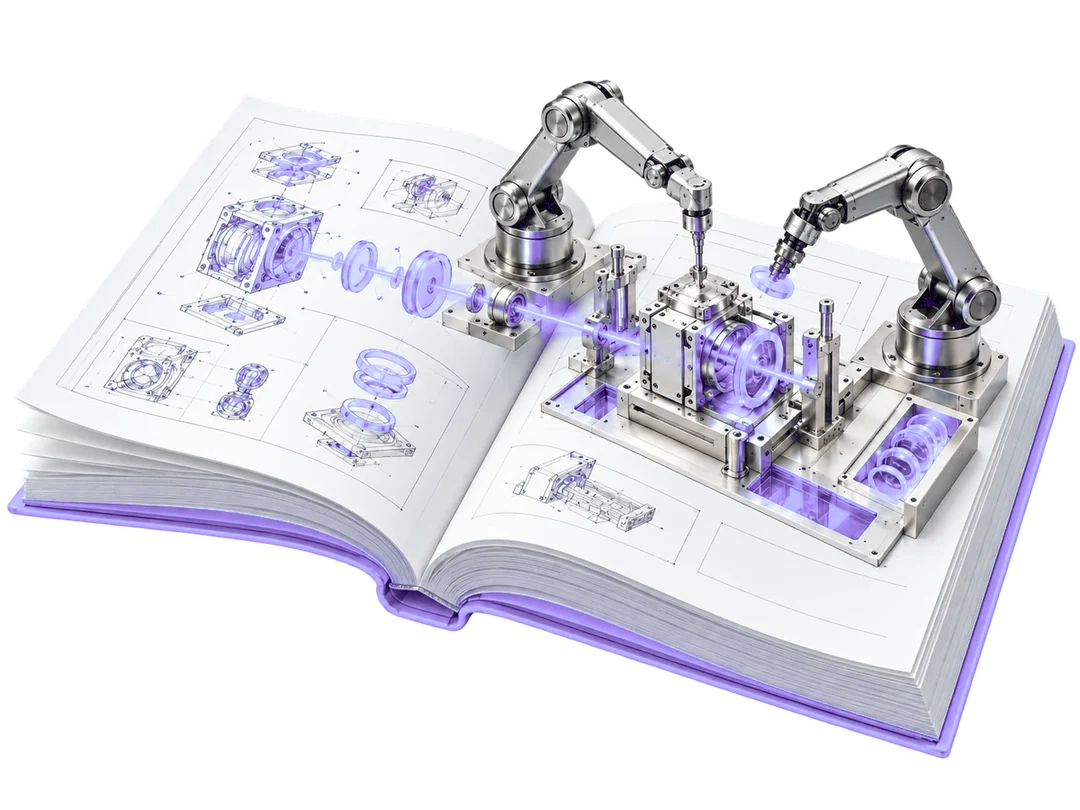
Build a maintenance assistant that retrieves approved manuals and equipment records, then drafts source-linked answers for technicians to review.
Smart facilities
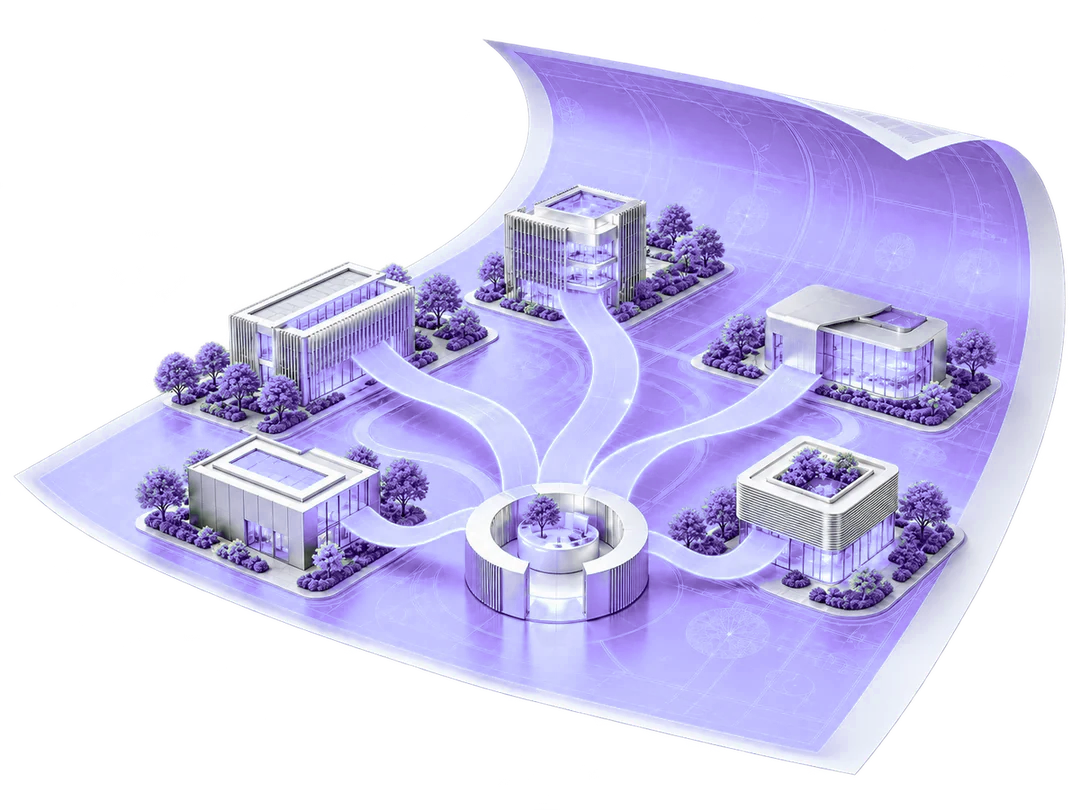
Add a local knowledge assistant to your facilities platform. Retrieve approved procedures and building information within the access rules you configure for each site.

Healthcare operations
Build a local assistant for approved non-clinical SOPs and equipment guidance. Connect staff questions to the relevant source, with access controls defined by your application.

Water management
Connect asset records and approved manuals to your maintenance software. Generate a source-linked brief for an operator's question without making the model a process controller.

Energy operations
Add a local handover assistant to your asset-management software. Use approved work orders and logs to draft a structured summary that operators can check against its sources.
These are application concepts, not preinstalled solutions or customer case studies. Connectors, access rules and model performance are configured for each project. Healthcare examples are non-clinical. Operational and safety decisions remain with qualified people and existing control systems.
Hardware and software, together
Empato TrustedToken Ultra combines the device, a supported model runtime and API integration support. Your team builds the application and business logic around that foundation.
local AI compute and 64GB unified memory support selected 30B-class configurations. A compact enclosure places that inference capacity at the customer site.
Local AI compute + unified memoryModel selection, quantization and adaptation help prepare the runtime for deployment. Linux and supported model tooling provide a familiar foundation, with versions matched to the delivered configuration.
Model + quantization + runtime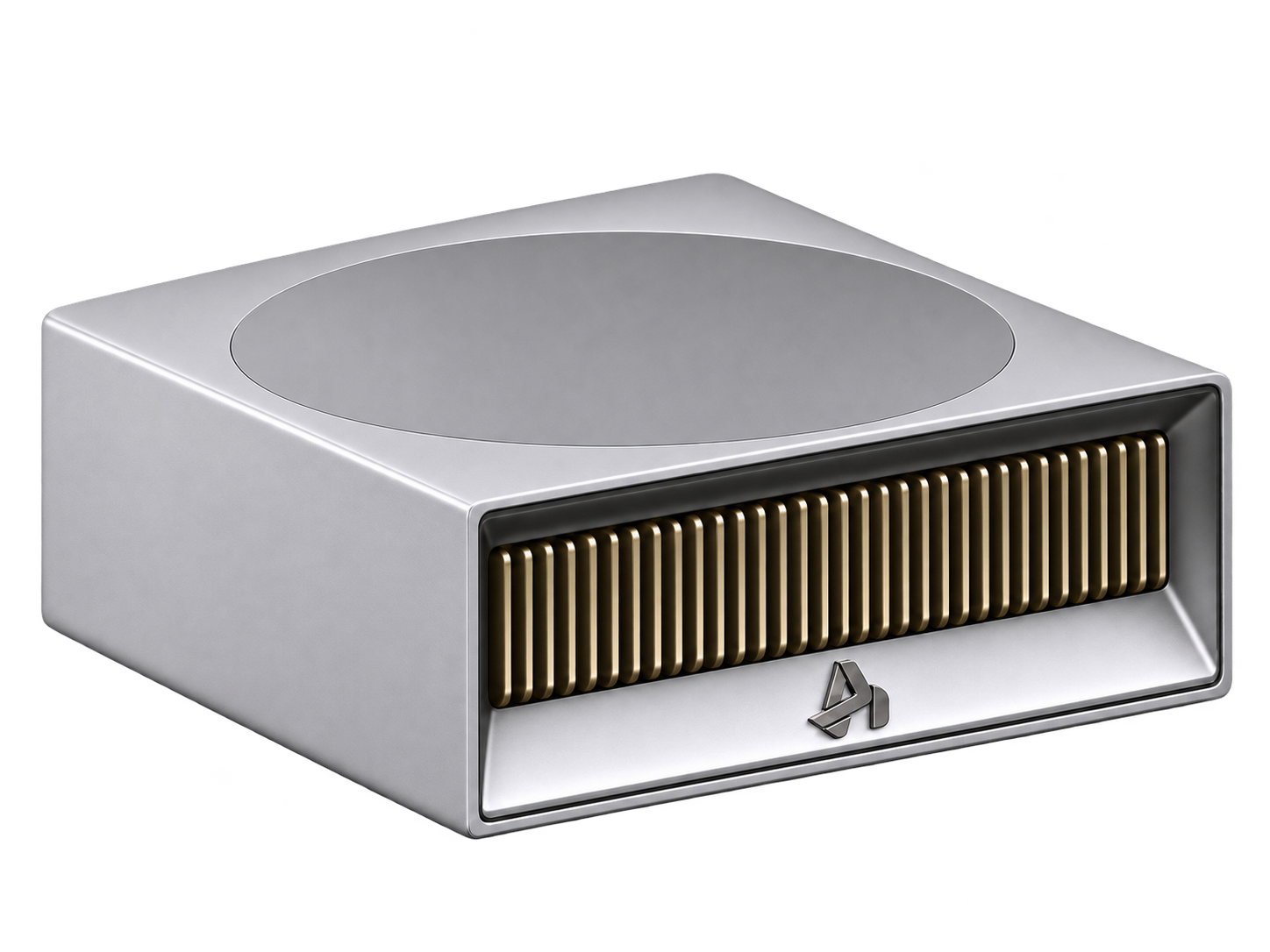
Send requests from your application to the supported model endpoint. Keep access rules, retrieval, tool permissions and human approvals in the workflow your team controls.
Local endpoint + your business logicIncluded models, runtime versions, integration support and service scope are specified for the delivered configuration.
Build on the local inference layer
Add document answers, voice interfaces, visual understanding or structured task outputs to your software. Each application combines a supported model with the data, tools and permissions your team provides.
Connect retrieval and a supported local language model to manuals, policies or technical records. Return source-linked answers through your interface, using the document permissions your application enforces.
Ask About IntegrationEmpato TrustedToken Ultra
Place a supported inference stack on the customer network. Linux tooling, wired Ethernet and 512GB UFS 4.0 storage with M.2 NVMe SSD expansion provide the foundation for running models alongside your application.
View Specifications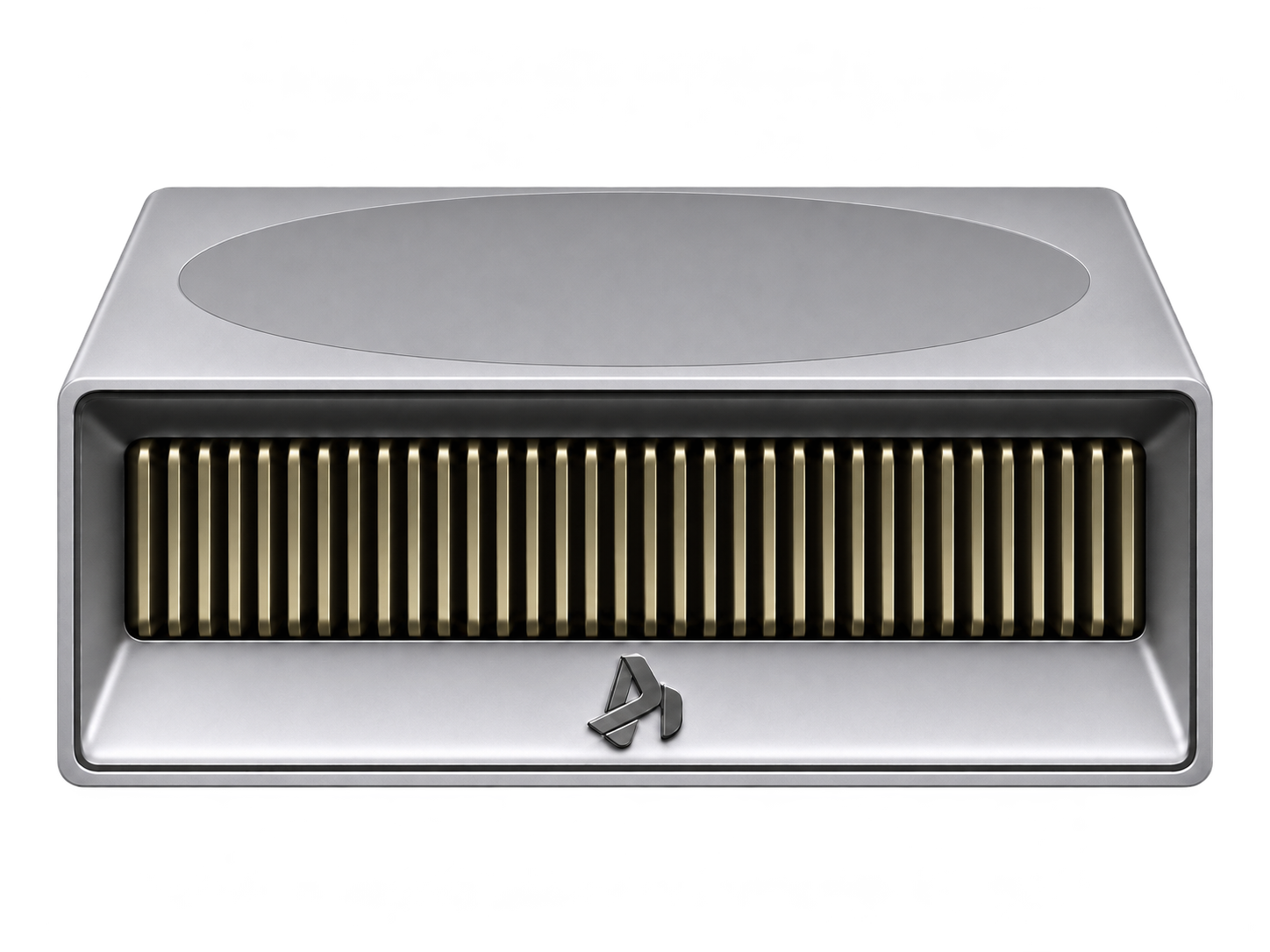
Product renders show the enclosure. Rear ports are not pictured. Hardware revision and available connections are specified with the configuration.
The specifications behind the deployment
local AI compute architecture, a 12-core ARMv9.2 CPU and 64GB LPDDR5x unified memory. Model precision, context length and concurrent demand determine how that capacity serves your application.
Local compute with a supported model runtime and API.
* 30B-class capacity and 10+ streams describe different configurations. 400 TOPS is a low-precision sparse hardware rating, not tokens per second. Memory is shared with the operating system and runtime. Actual speed, quality, context and concurrency depend on the selected configuration. Power varies with configuration and load.
Built to connect with your software
Use an OpenAI-compatible API to connect your application to a supported local model. Linux and supported PyTorch tooling give your team a familiar starting point, with dependencies matched to the hardware and runtime.
Compatibility is model- and runtime-specific. Confirm the endpoints, schemas, tool behavior and package versions used by your application. OpenAI-compatible describes the API interface.
Built for the teams delivering AI
You bring the application, customer knowledge and business logic. Empato TrustedToken Ultra provides the local compute and supported model stack to build on.
Independent software vendors
Extend your product to customers who need inference inside their own environment. Keep the application experience yours while using a supported local model endpoint.
System integrators
Build around a defined compute platform and supported runtime. Focus integration work on the customer's data, interfaces and operational requirements.
Developers
Use supported Linux and supported model tooling to develop against the selected model stack. Tune prompts, retrieval and tools around the application you are building.
Models, software versions, service scope, pricing and availability are confirmed for the configuration you select.
Technical questions
The details that matter when you are building a product, integrating a customer site or choosing a local inference platform.
The platform combines local compute hardware with a supported model runtime and API integration options. The hardware specification includes local AI compute architecture, a 12-core ARMv9.2 CPU, 64GB LPDDR5x unified memory, 512GB UFS 4.0 storage with M.2 NVMe SSD expansion and 2.5GbE Ethernet. Confirm slot occupancy, delivered OS image, model configuration and included support in the quotation. Applications and additional devices are project-specific.
Yes, when the full application path is configured locally. Models, retrieval, authentication, tools and other required services must be available without external connections. Cloud APIs or remote services still require connectivity and may transmit data. A local inference endpoint alone does not make every connected application offline.
The supplied model range includes selected Qwen and Gemma configurations. Runtime options include vLLM, SGLang and llama.cpp where supported. Compatibility depends on the exact checkpoint, quantization, hardware support and runtime version. Selected 30B-class models and 10+ concurrent streams on selected models up to 4B are separate configurations. Confirm your model, context length and concurrency before choosing the setup.
It can, particularly for suitable recurring workloads, but the comparison depends on usage and required quality. Include hardware, electricity, operations, support and any cloud calls or paid services. Locally processed requests do not use a third-party cloud inference API; that does not make local compute free. Empato also describes routing, gateway, data-retention and model-optimization services, with scope and fees confirmed separately.
An OpenAI-compatible API provides a familiar integration interface. Your team still checks the endpoints, request formats, streaming, structured outputs and tool calls the selected model and runtime support. Linux and supported model tooling do not guarantee every package or application runs unchanged. On the ARM platform, architecture-specific dependencies also need checking.
The specified power range is 35–150W depending on configuration and load. The product brochure lists IP54 protection. The specified hardware warranty is 1 year. Confirm applicable regional terms, exclusions, pricing, included services and delivery availability with Empato. IP54 is not a waterproof rating.
Empato TrustedToken Ultra is the local inference foundation. Your ISV or integration team provides the application, business rules, data connections and user experience. Document retrieval, voice, vision and agent workflows require the appropriate models and integrations. Additional devices, custom development and model optimization are included only when specified in the agreed scope.
Contact Sales
Contact our team about model support, API integration, configuration and pricing for your product or customer deployment.
Please do not include passwords, customer records or confidential documents. Sending an inquiry does not place an order.